2025 CSA Season Week Nineteen
We’ve made it to the penultimate week of the CSA Season! For our Group A Half Share members this is your last week. Thank you all so much for joining us this year! We can’t tell you how much we appreciate you.

A Few End-of-Year Notes!
This has been a wonderful CSA season, and we’re so grateful we got to tag along on your food journey this year. We appreciate how cooperative and understanding you’ve all been, and how respectful you’ve been to each other. Since it is the last delivery for some of our half share members this week, I just wanted to touch on a couple things:
- Be sure to thank your site host for all they do! Even if you pick up at market, your hosts would love to hear from you as the season ends.
- If you have any bins, please make sure to return them to your site! We will still be picking bins up at the next delivery, but the sooner we can grab them to make sure we have them for next season, the better. Thank you!
- Keep an eye on your email for any information you may need in the off season, and notes on the 2026 CSA Season! We’ll continue the blog some throughout the off season, and we’d love to keep in touch.
- Follow us on social media to keep up with what’s happening at the farm! You can find us on Facebook and Instagram @wintergreenfarm. Share what you’re doing with Winter Green veggies this year!

Come see us at the Harvest Potluck this weekend!
Come see us on Sunday, October 19th, for a harvest potluck here at the farm! From 12pm to 3pm, we’ll have the farm open to visitors from our CSA program and anybody else who wants to come! We’ll start lunch at noon, so bring your favorite dish, a comfy chair, and whoever you want to spend the day with. We always end up with some delicious food, and we can’t wait to see what you come up with!
We’ll have great food, a cider press, pumpkins for our CSA members, and farm tours to see what we do out here! We won’t be able to do hay rides this year because the wagon needs some repairs, but we will do walking tours so you can still see everything going on! We would love to see all of you there!
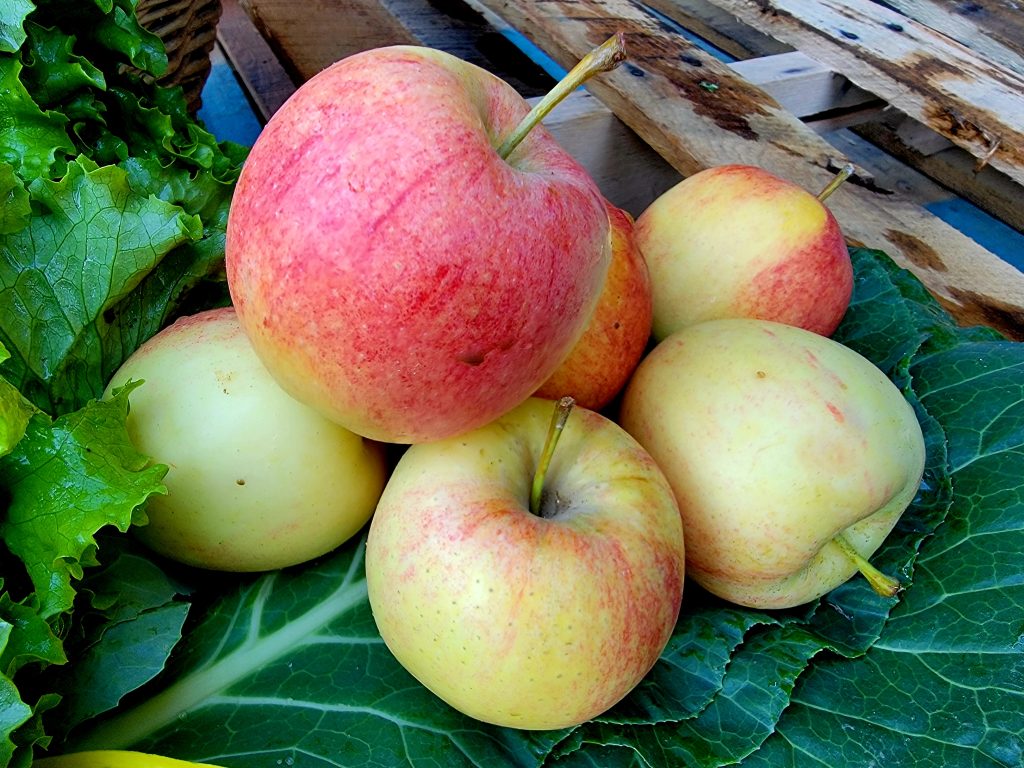
We’ll have apples in your box this week!
We’ve partnered with Mt. Hood Organic Farms to bring you apples again this week! Mt. Hood Organic Farms is located at the base of Mt. Hood in the Upper Hood River Valley. They’ve been around since the turn of the century, and their gorgeous grounds are perfect for both growing fruit and hosting beautiful wedding venues. Their pear and apple orchards boast near one hundred different varieties, and we’re so thrilled we get to offer you a taste of their magnificent, organic, biodynamic produce. If you’d like to know more, visit their website to learn more about their awesome operation!
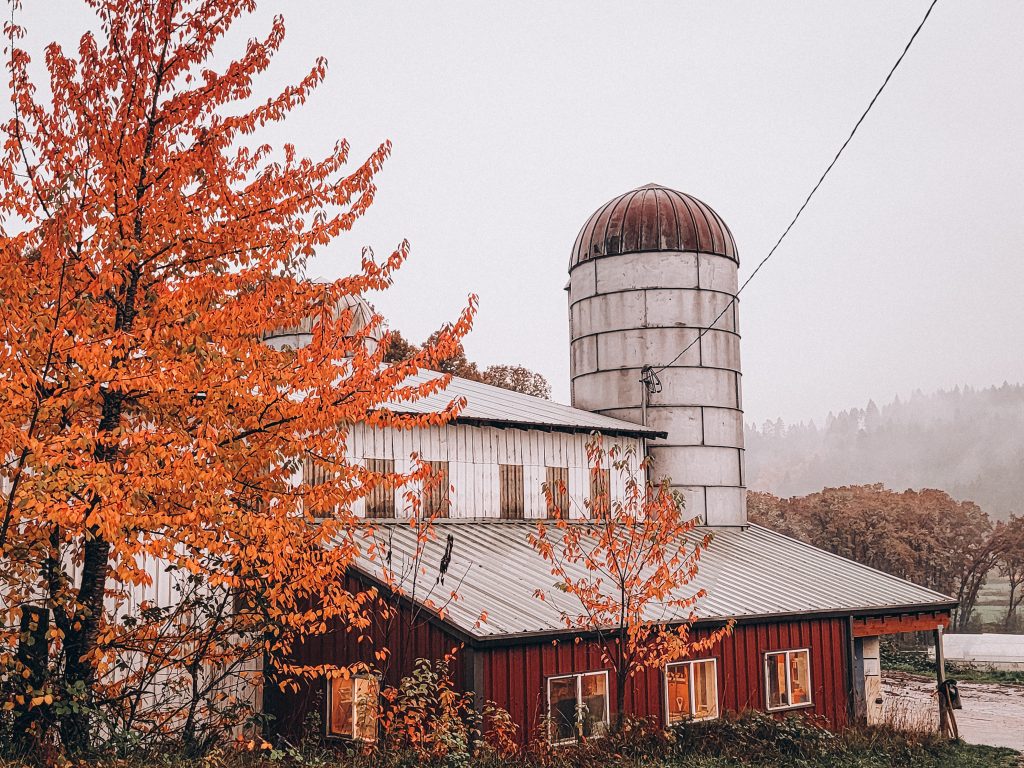
Signups for the 2026 CSA Season will open in January!
While we aren’t finalizing any prices for next season until after this season is over, we are creating a wait list for those interested in the 2026 CSA Season! Knowing how many members we can count on for next year before we set the price can help us get a more accurate idea of what the farm needs to do. The hope is that we don’t have to raise prices at all. So let me know by email if you plan to join us again for next season! You can get ahold of me at folks@wintergreenfarm.com. We appreciate your support!
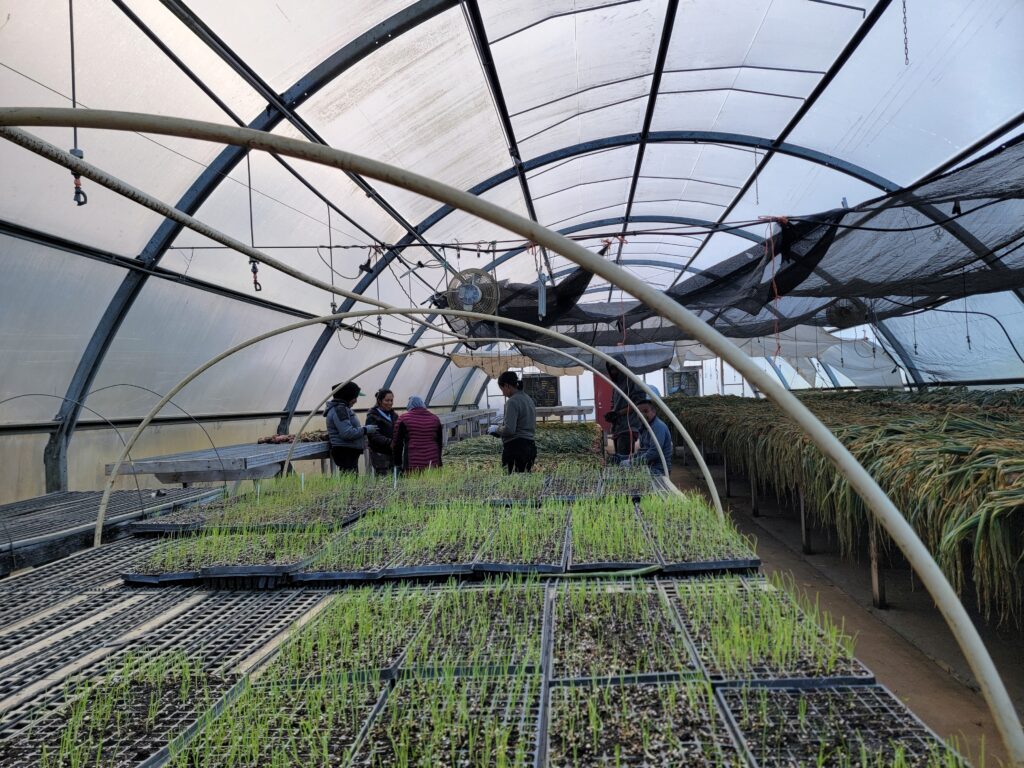
We are looking for a new site host for the High Street location next year!
Teresa and David Kennedy have been wonderful site hosts for the farm for many years, but alas, it is time for them to move on. After much thought and discussion for their household, they’ve decided this will be their last year as site hosts, and we wish them all the best! If you get a chance, please extend a huge thank you. Teresa and David, you are so appreciated and will be greatly missed!
For our members who pick up at that location, we will be needing a new site for next season! If you or someone you know may be interested in becoming a site host for 2026, please let me know!

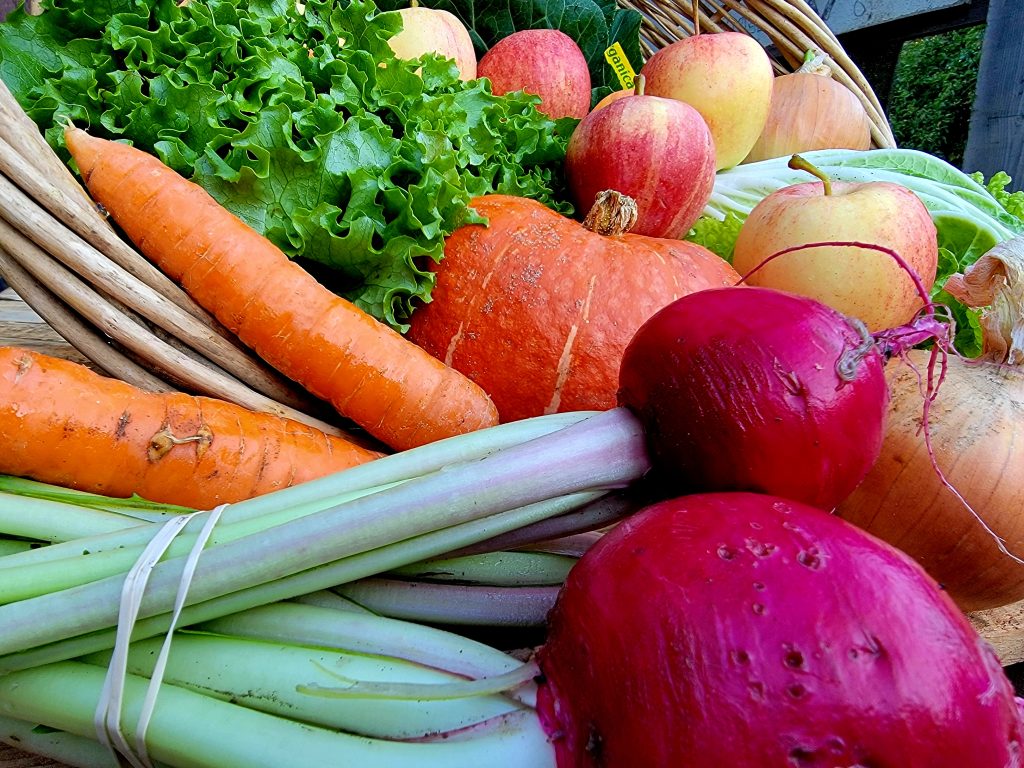
What’s in your box this week:
- Kabocha Squash
- Onions
- Turnips
- Napa Cabbage
- Parsnips
- Carrots
- Apples
- Lettuce
- Collard Greens
We were able to get everything for everybody this week, and make up the broccoli for the Eugene Farm Stand!
Handy Tips:
- Winter Squash: Store winter squash in a cool, dry, dark place with good ventilation. They should keep for up to a month or more, depending on the variety. You can also incorporate winter quash into a beautiful arrangement for your fall table. They won’t keep quite as long at room temperature, but if they are sitting on your table, you might be inspired to eat them quickly. Once squash has been cut, you can wrap the pieces in plastic and store them in the refrigerator for five to seven days. To bake winter squash, cut it in half, scoop out the seeds and pulp, then place the halves on a baking dish filled with a half-inch of water, cut-side down. You can also bake without the water, just lightly grease a baking sheet or use parchment paper. Bake squash at 350 degrees until halves are completely soft and just starting to collapse. This could take 45 minutes to an hour, sometimes more, depending on the size of the squash. Remove squash from the oven, fill with butter, seasoning, or filling, and serve them in the shell. Winter squash can also be substituted in baked goods. Try using it instead of pumpkin or sweet potatoes in dessert recipes. While the oven is hot, try roasting the seeds after mixing them with a little oil and seasoning of your choice.
- Turnips: Cut turnip greens from their roots and store separately. Keep dry, unwashed greens in a sealed plastic bag in your fridge. Thicker greens will keep up to two weeks. Tender ones should be eaten within a week. To store turnips, place them in a plastic bag, unwashed, in the crisper bin of your fridge. Due to high water content, turnips may deteriorate quickly, but most should keep for a week.
- Napa Cabbage: Napa Cabbage is cleverly packaged. Just stick dry, unwashed cabbage in the fridge. The outer leaves may eventually get floppy, but you can remove and discard them to reveal fresh, inner leaves. Cabbage can keep for a month, but once it’s cut, it needs to be stored in a plastic bag. Rinse the cabbage under cold running water just before use. Peel away outer leaves (if necessary) and cut cabbage in half through the stem end. Lay flat and quarter it, again through the stem end. Balance each section upright and slice away the triangular core exposed at the base. Then, chop, sliver, or grate the quarters. Use raw cabbage to make coleslaw or sauerkraut. Stir-fry or braise until slightly browned. Use steamed or boiled cabbage leaves to wrap rice or meat fillings.
- Parsnips: Parsnips with store well for several weeks, unwashed in a plastic bag in your refrigerator. When ready to use, scrub under running water (no need to peel). Parsnips have a naturally sweet flavor that is brought out by roasting. Parsnips taste wonderful in curries with ginger or try them in soups and stew with squash. Try adding sage, leeks, onions, or greens to accent the sugars. Grate raw into salads or mix with potatoes for pancakes or hash browns. For a delicious snack, try parsnips cut into sticks and then fried like French Fries in olive oil until golden. Add a pinch of salt or soy sauce for flavor. Or, you can bake the sticks at 350 degrees on a cookie sheet until tender-firm. Parsnips are delicious cut into chunks and baked with other root vegetables, or basted around a roast. Boil or steam, then top with butter or mash like potatoes.
- Carrots: Cut or twist carrot tops off before storing in a plastic bag in the refrigerator. They will keep for several weeks. Clean the carrots well before eating by scrubbing with a vegetable brush under running water. Do not peel unless the carrots are damaged, as much of the nutrients are very close to the skin. Eat carrots raw in sticks, rounds, julienned, or grated. You can also add slices or chunks to soups, stews, or casseroles. Carrots are also delicious lightly steamed or sautéed, and garnished with butter or olive oil and fresh herbs. Try them grated with oil, lemon juice, parsley, garlic, salt, and pepper.
- Apples: Apples are an incredibly versatile fruit. They can be eaten plain, made into juice or sauce, or turned into ciders, vinegars, or alcohols. They can be dried and saved for later, or baked into your favorite treats. Apples can be stored at room temperature for a short amount of time, but check on them frequently to make sure they haven’t begun to rot. For the best results, sprinkle your apples with water, place them in a perforated plastic bag, and then store them in the coldest part of your refrigerator. They should keep for 2 to 3 weeks.
- Collard Greens: Just prior to use, swish Collard leaves in a basin of lukewarm water. After any grit has settled, lift leaves out carefully. Additional rounds of washing may be necessary.
Store preferably unwashed, wrapped in a damp towel or plastic bag in hydrator drawer of refrigerator. Best used fresh, but may last for up to one week if properly stored. Keep moist.
Collards can be cooked or eaten raw as a wrap for stir-fries and salads.
What We’re Making This Week:
- There are many ways to make kabocha squash, but these Kabocha Squash Fritters with Yuzu- Garlic Dipping Sauce look like fun!
- What would fall be without a recipe for French Onion Soup?
- While we’re on the topic of soup, this Creamy Turnip Soup looks delicious!
- This Tofu, Napa Cabbage, and Delicata Squash Stew is a creative twist on an old favorite. If you try it, tell me how it is!
- According to Martha Stewart, this Brisket Recipe is a fantastic dish for the season!
- This Beef Stew is a great way to get those carrots with so many other autumn delights!
- I love apple pie, but this Cinnamon Roll Apple Pie looks even better than I could imagine!
- This Crustless Ham and Collard Greens Quiche is good or any time of the day, breakfast, lunch, or dinner!
We are so happy to share the last couple weeks of the farms bounty with all of you! Thank you so much for allowing us to tag along on your food journey this year, and for all your support of the farm. We couldn’t do it without you!
Many blessings,
Chelsea and your Winter Green farmers